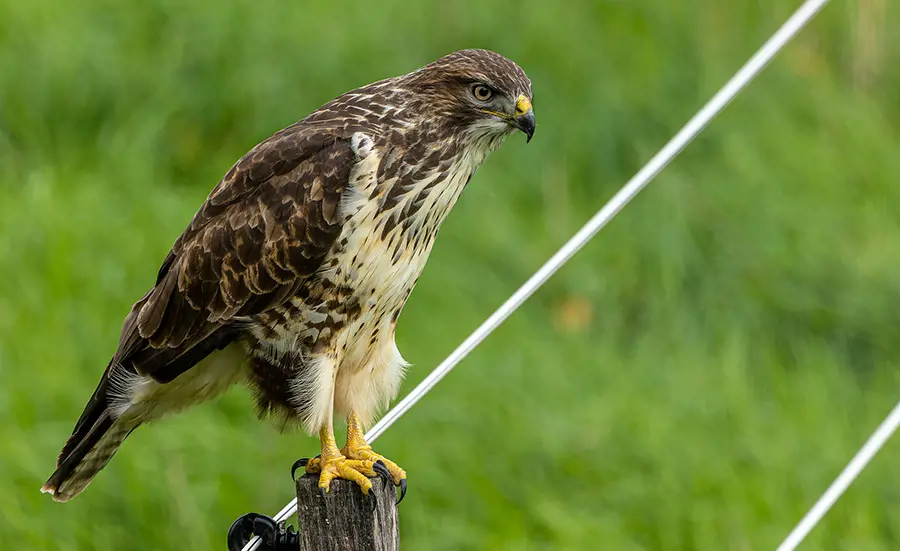
Threshold values for anticoagulants in the liver of birds of prey
Anticoagulants (AR) inhibit blood clotting and are used to control rats and mice, but can accumulate in the food chain. In a recent screening project, the Ecotox Centre discovered that foxes, birds of prey, fish and hedgehogs in Switzerland contain AR in their livers in concentrations comparable to those in neighbouring countries.
A larger number of birds of prey from a larger catchment area are now being examined in an extended monitoring programme. The animals' liver samples are again being analysed for AR using LC-MS/MS, and the carcasses are also being examined for pathological changes that could indicate poisoning with AR (e.g. internal haematomas). The aim is to determine at what concentration the AR have harmful effects on the birds of prey. These threshold values are needed to find out whether further measures are necessary to better protect birds of prey.
Project report
Anticoagulant rodenticides in Swiss birds of prey
Photo: Michael Lamberty
Contact