News - Aquatic Ecotoxicology
06. February 2025

Ecotox Centre in SRF Rundschau on the ecotoxicity of a controversial pesticide
The Ecotox Centre derives ecotoxicologically based limit values for plant protection products on behalf of the federal government, but only some of these values are subsequently anchored in the Water Protection Ordinance and are therefore legally binding.
Read more05. February 2025
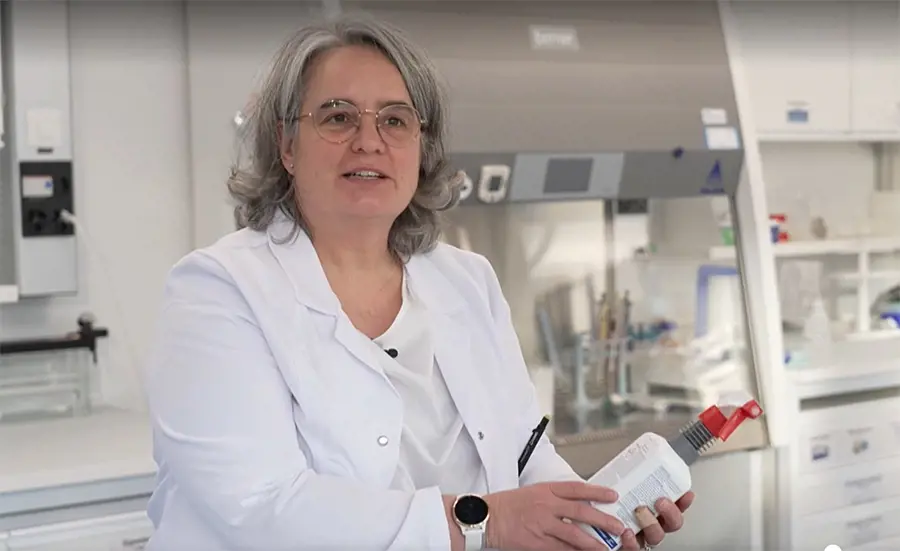
Ecotox Centre in SRF Kassensturz on oven cleaners
Marion Junghans supported SRF Kassensturz in the evaluation of oven sprays.
Read more31. January 2025
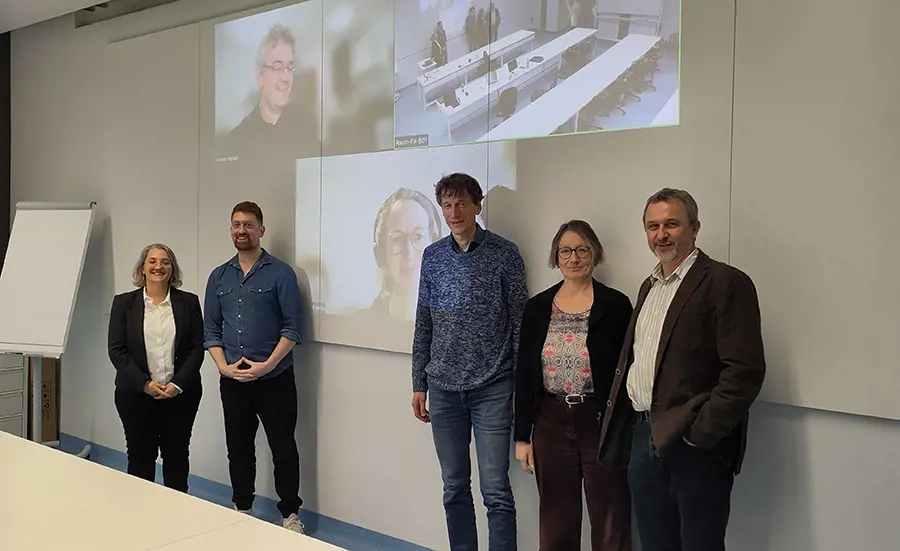
Successful dissertation
We congratulate Ali Kizgin on the successful defence of his dissertation. Over the past four years, Ali has been researching at the Ecotox Centre a key challenge in wastewater management - namely the early detection of pollution events using online biomonitoring.
Read more20. December 2024
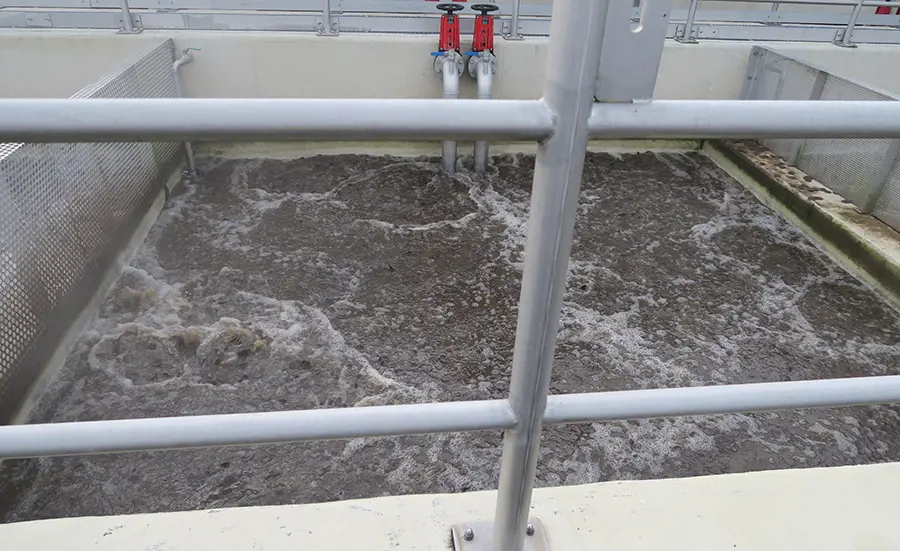
Webinar: Bioassays for wastewater assessment on 18.2.2025, 14.30-16.00
A new series of webinars organised by the German Water Chemistry Society highlights the opportunities and possibilities of bioassays for assessing water quality. The Ecotox Centre is hosting the first webinar on the use of effect-based methods for wastewater testing.
Read more20. November 2024
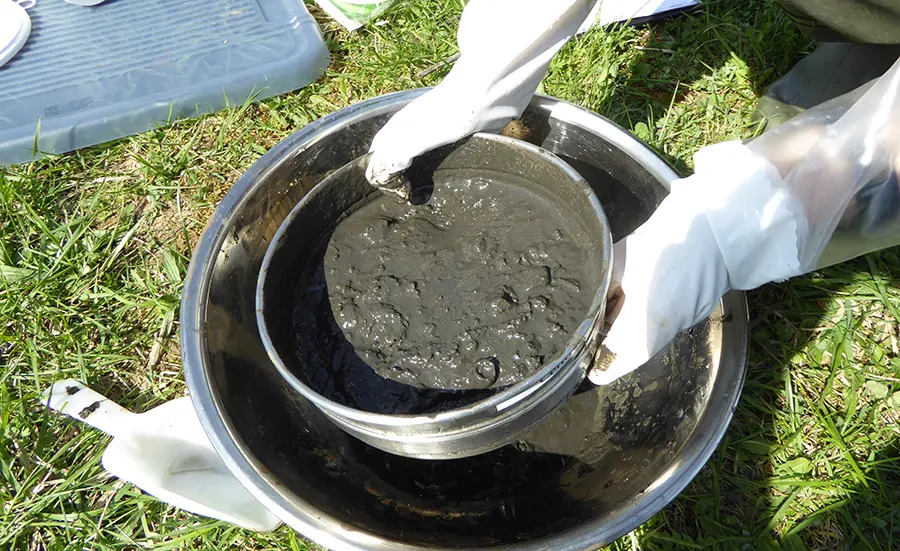
Sediment quality in Swiss streams - application of the new assessment strategy
The Ecotox Centre has assessed the sediment quality in 18 streams in Switzerland on the basis of 20 prioritised pollutants. In each stream, at least one substance occurred in concentrations above the sediment quality criteria. This was the first time that the new assessment strategy was applied on a large scale.
Read more19. November 2024
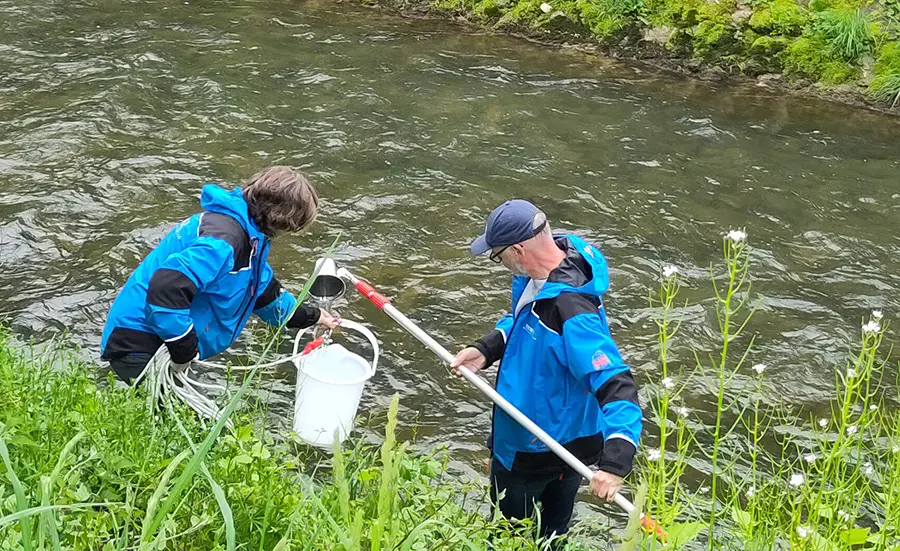
How can the positive effects of the WWTP upgrade be measured?
Numerous biotests and biomarkers are used to assess the impact of the upgrade of the Falkenstein WWTP on the water quality of the Dünnern. The quality of communities and the occurrence of antibiotic resistance are also taken into account. The measurements prior to the upgrade show clear differences between the water quality upstream and downstream of the WWTP outflow. Significant improvements are expected as a result of the upgrade.
Read more18. November 2024
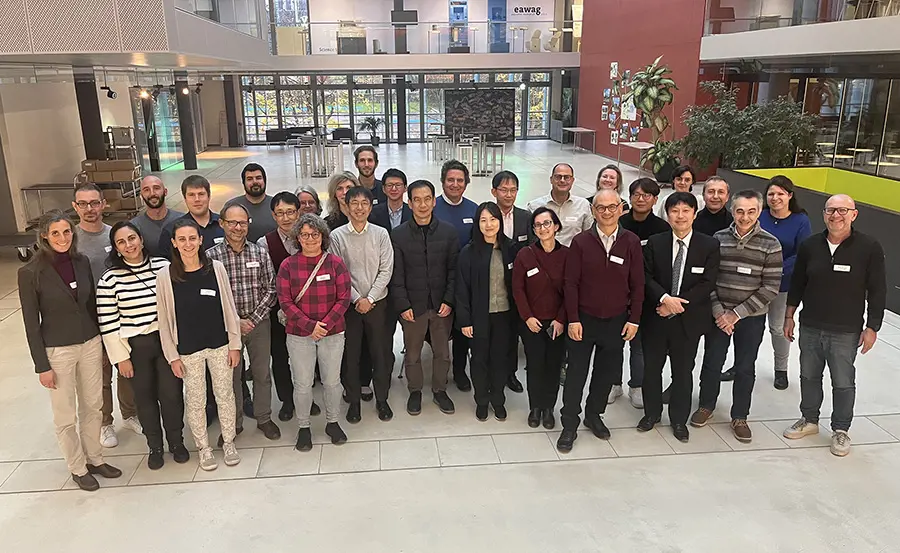
Training course for tire industry
Last week, we welcomed around 20 representatives of leading tire manufacturers for a two-day training course on ecotoxicology.
Read more15. November 2024
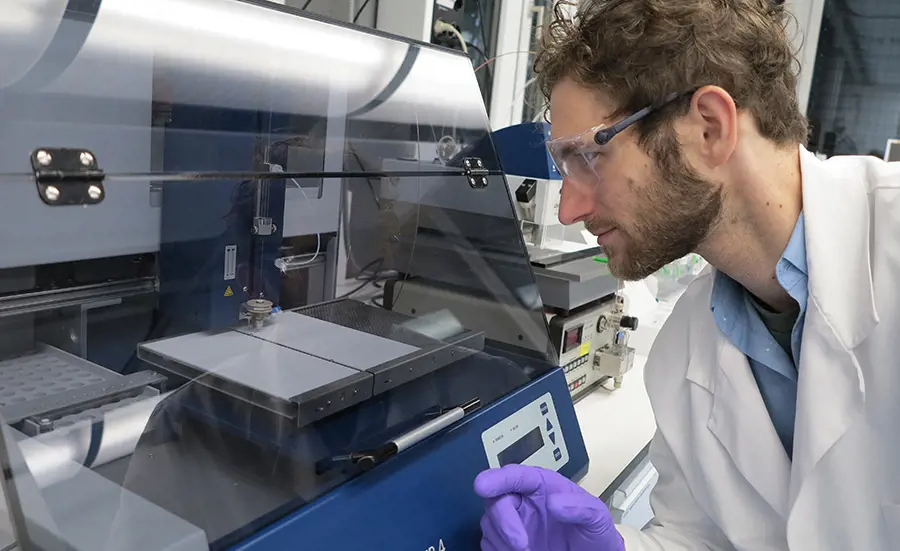
Toxic effects of tire abrasion
Tire particles contain substances that have potentially estrogenic, genotoxic and bacteriotoxic effects and can be released into the environment. Using an innovative method, the researchers were able to show which substances contribute to these effects.
Read more05. November 2024
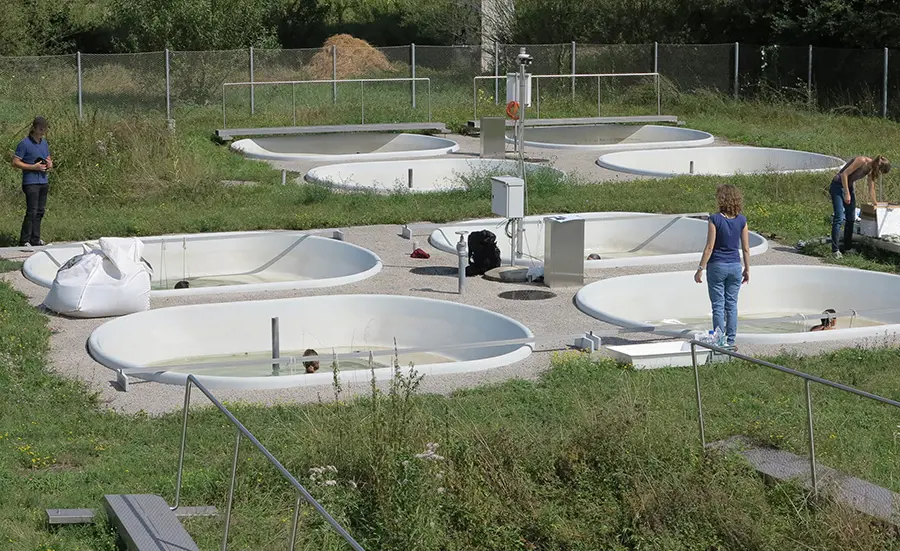
Sun creams and bathing lakes
In a new project, we are investigating the significance of UV filters from sun creams for the health of Swiss bathing lakes. We have already carried out bathing tests in test ponds to track the path of the substances from the skin into the water and sediment.
Read more15. October 2024
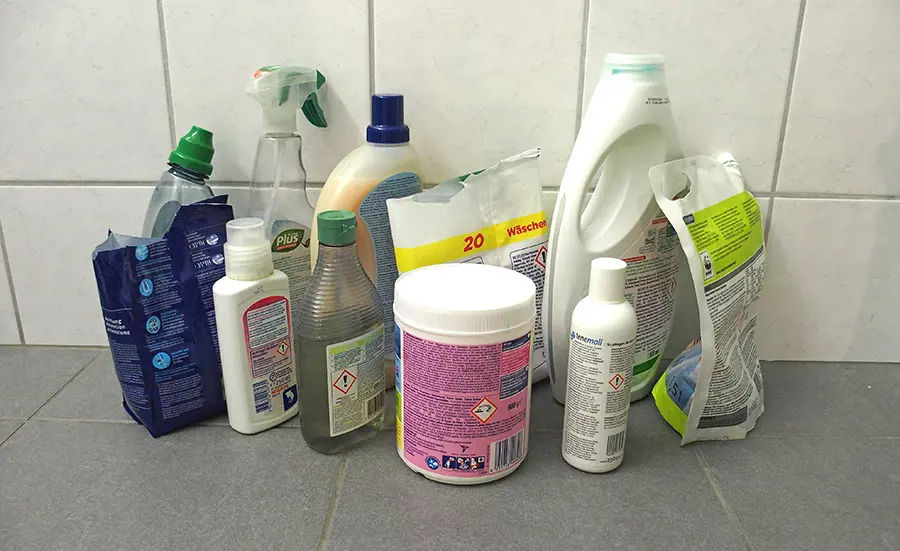
Info sheet on washing and cleaning agents
Washing and cleaning agents are regularly used in every household and thus end up in waste water and ultimately in sewage treatment plants. But which of the substances they contain are dangerous for the environment? And how can we protect it as well as possible - despite the use of detergents and cleaning agents? A new info sheet gives more details.
Read more Subscribe to our News by RSS feed