News - Sediment Ecotoxicology
17. September 2026
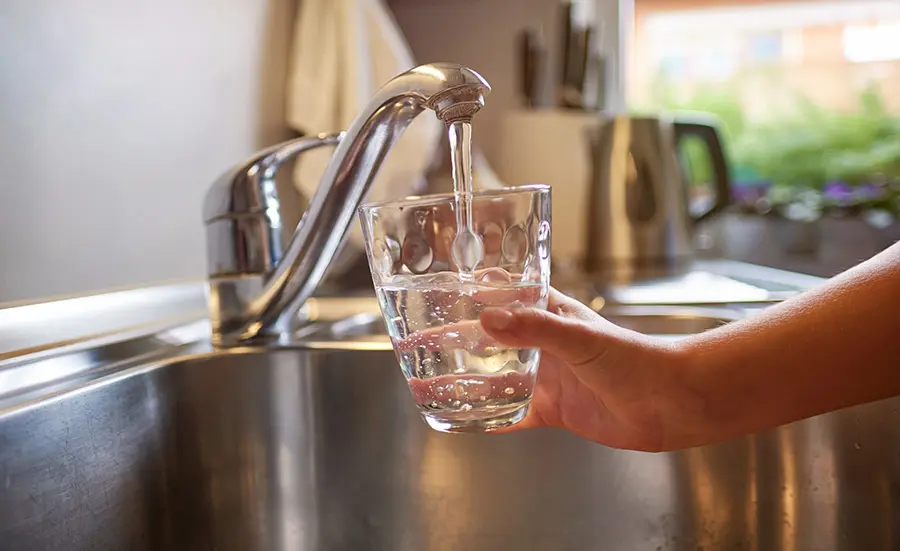
Regulatory changes regarding PFAS-contaminated food and drinking water: greater priority should be given to health protection
The Ecotox Centre, together with other researchers, contributed to and coordinated a statement by the Swiss Academies of Arts and Sciences. The researchers welcome the introduction of a new maximum limit in drinking water for four critical PFAS compounds, but state that the limit is several times too high. Furthermore, they argue that the newly permitted practice of mixing highly contaminated foodstuffs is inadequate for ensuring the protection of public health.
Read more28. August 2026
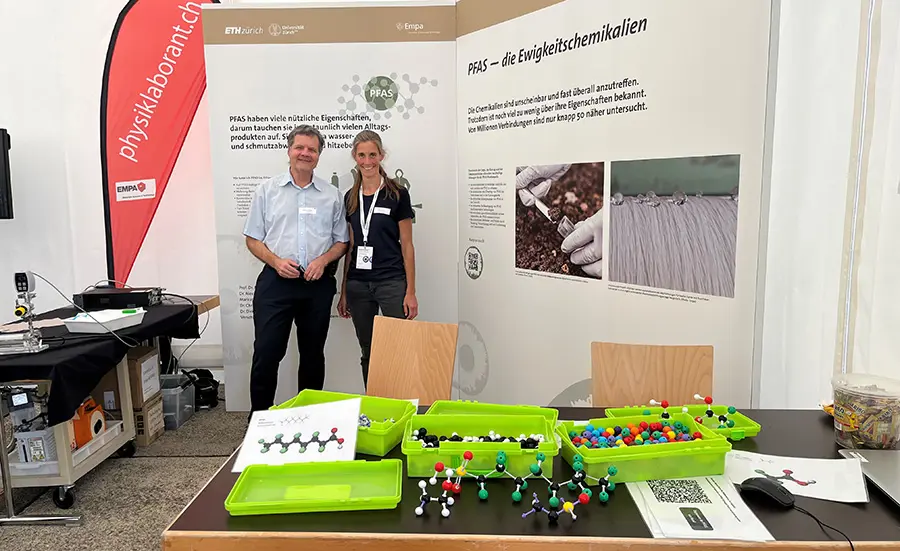
Ecotox Centre at the Scientifica science festival
Last weekend, Alexandra Kroll supported Empa and provided the public with information on PFAS and their impact on the environment.
Read more26. May 2026
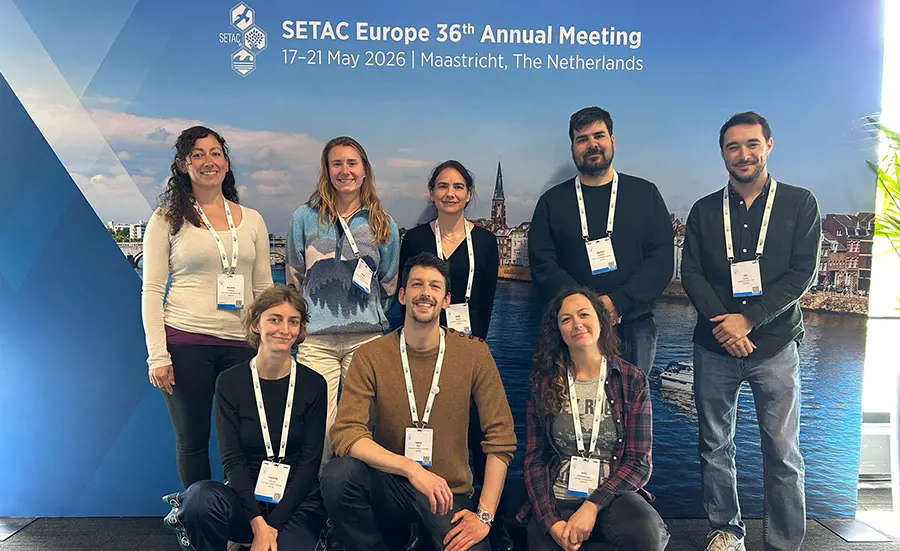
A look back at SETAC 2026 in Maastricht
We are looking back to an exciting week at SETAC 2026 in Maastricht. It was a great place to share our latest findings with colleagues, discuss our work, and gain fresh inspiration through stimulating exchanges.
Read more08. May 2026
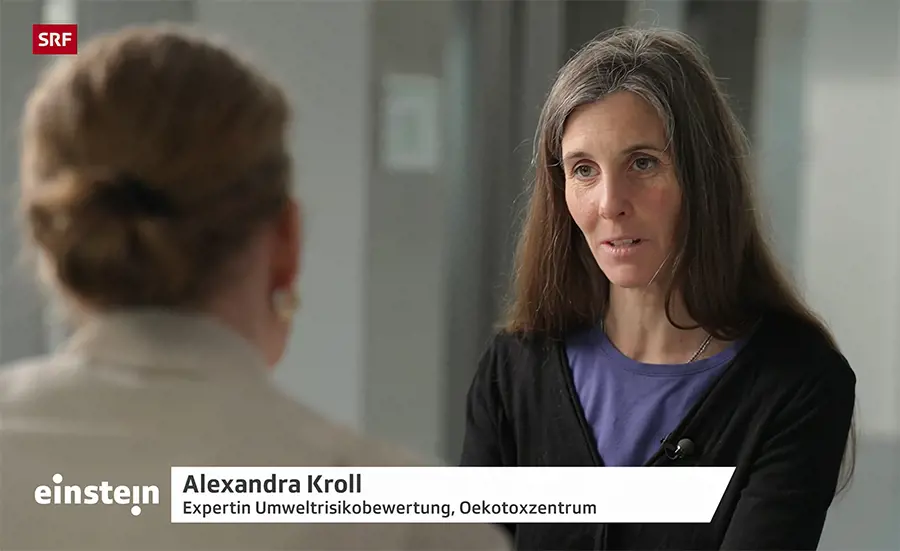
Oekotoxzentrum in SRF Einstein on the risks of PFAS
Risk specialist Alexandra Kroll talks to Katrin Hönegger from SRF Einstein about the significance of current PFAS contamination and assesses the situation.
Read more24. April 2026
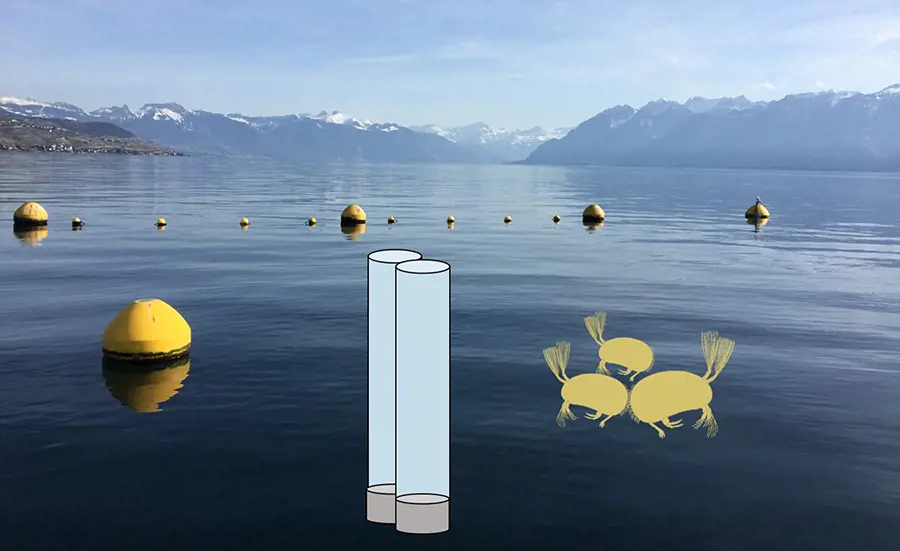
Dynamic pollutant carriers: The quality of suspended matter in Lake Geneva
Suspended matter is an often underestimated but crucial component of aquatic environments. It binds nutrients and pollutants and transports them through the water column. A new study from Lake Geneva shows how significantly the chemical and ecotoxicological quality of these particles can change over time – and what role extreme weather events, tributaries and biological processes play in this.
Read more22. April 2026
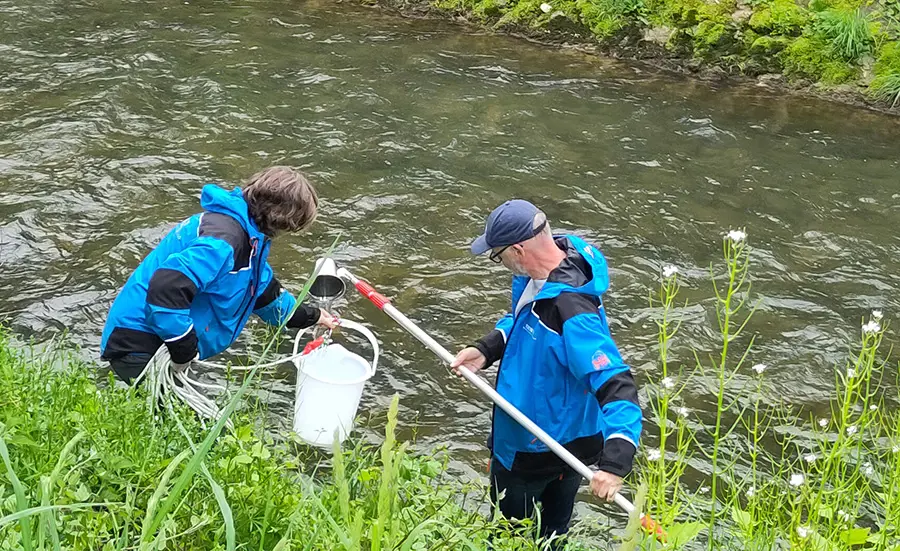
Course: One Health - Concept, case studies, challenges and implementation, 23. June 2026
Together with the Swiss Centre for Applied Human Toxicology (SCAHT), we are organising the continuing education course "One Health – Concept, case studies, challenges and implementation". The course can also be attended online.
Read more08. January 2026
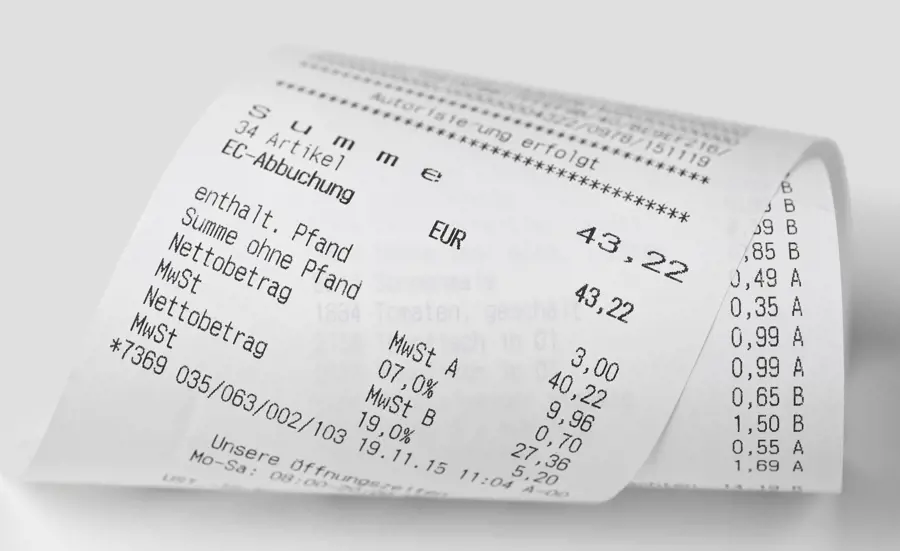
Safer receipts without bisphenols
Researchers at EPFL have developed a new formula for thermal paper that is free of harmful bisphenols. According to toxicological studies conducted by the Ecotox Center, the wood-based substitutes used are significantly less problematic than traditional substances.
Read more11. November 2025
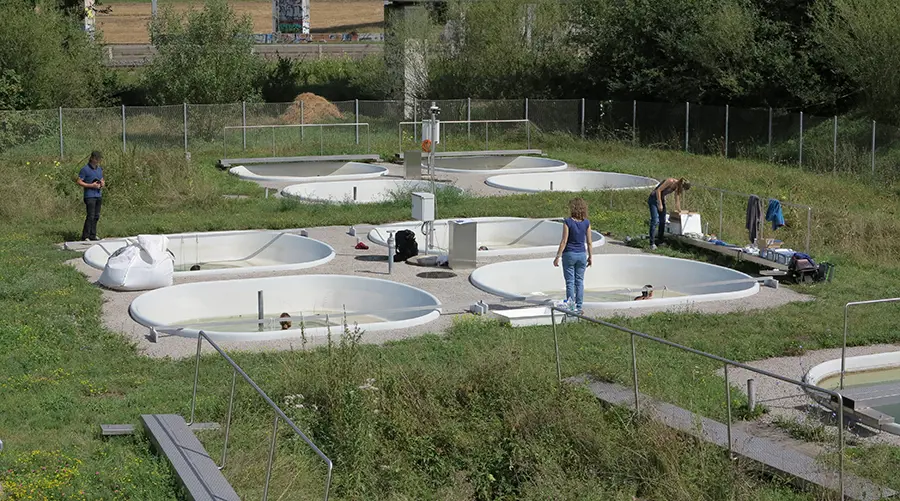
Sunscreen and bathing lakes: what happens to UV filters in Swiss lakes and experimental ponds?
UV filters from sunscreens have been detected in Swiss lakes in concentrations that in some cases exceed the provisional environmental quality criteria. In both lakes and experimental ponds, lipophilic UV filters such as octocrylene tend to accumulate at the water surface. Additional data on behaviour and toxicity in sediments is currently being collected in order to refine the quality criteria.
Read more05. November 2025
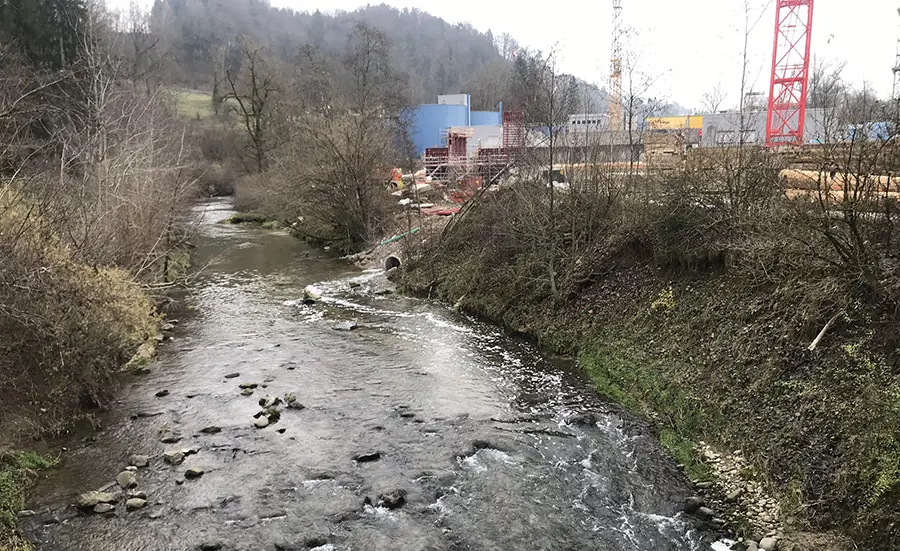
Sediment worms investigate the effect of wastewater on stream health
Sediment worms can be used to assess the impact of pollutants on watercourses. New studies show that treated wastewater contaminates sediments and, in some locations, can also infiltrate groundwater. A significant improvement was achieved by upgrading the facilities under investigation with an additional treatment stage.
Read more31. October 2025
Panel Discussion "Gewässer in Gefahr" 3.11., 19.00
On Monday, 3 November at 7 p.m., Cornelia Kienle will take part in the Körber-Foundation's panel discussion "Gewässer in Gefahr" in Hamburg. Online participation is possible via livestream.
Read more Subscribe to our News by RSS feed