News - Sediment Ecotoxicology
03. October 2025

Webinar: Bioassays for assessing surface water quality, 28.10.2025, 14.30-16.00
A new series of webinars organised by the German Water Chemistry Society highlights the opportunities and possibilities of bioassays for assessing water quality. The Ecotox Centre is also contributing to the second webinar on the use of effect-based methods for assessing suface water quality.
Read more05. September 2025
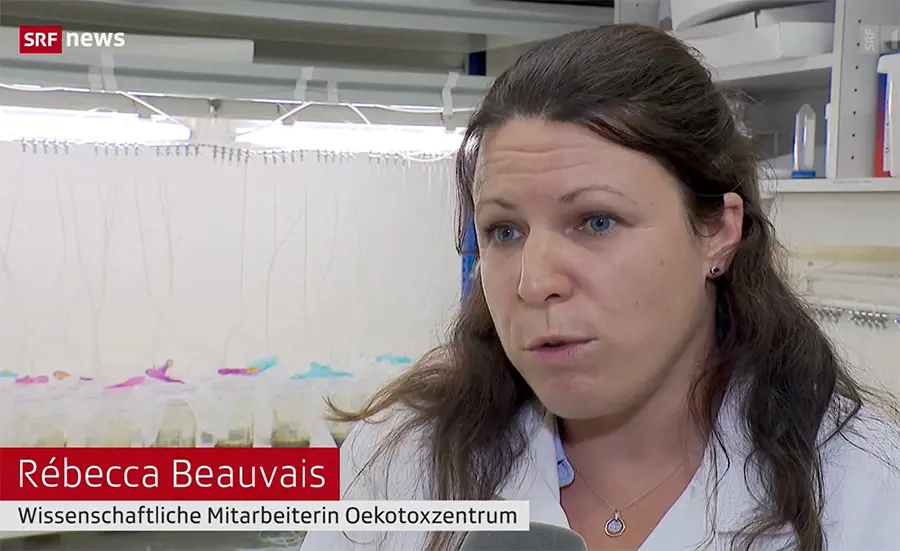
Ecotox Centre in SRF Schweiz aktuell on the contamination of sediments
Rebecca Beauvais talks to SRF about the problem of contaminated sediments and the danger that the pollutants stored there can be remobilised again - for example during flooding or dredging.
Read more27. August 2025
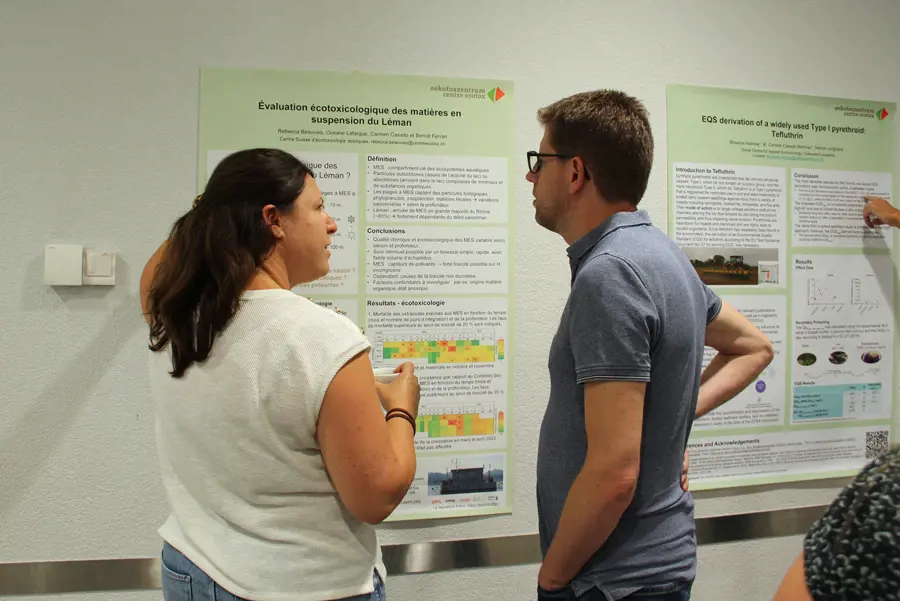
Dialogue Day 2025 in Bern
During a dialogue day, the Ecotox Centre presented its current projects and exchanged ideas with stakeholders from various fields.
Read more20. August 2025
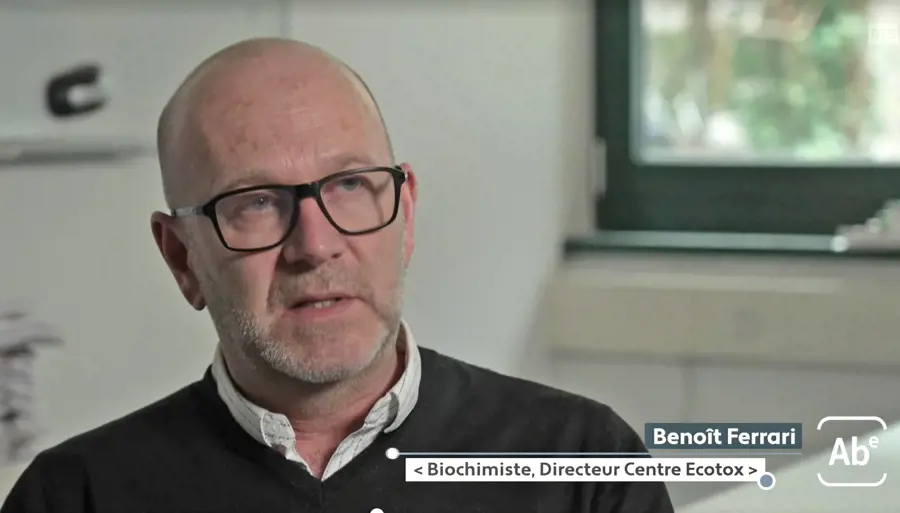
Ecotox Centre in RTS A Bon Entendeur on tire residues
Every year, more than 10,000 tonnes of tire abrasion are generated in Switzerland, containing potentially problematic substances. Some of these compounds can end up in fruit or vegetables – a new environmental problem that raises important questions for health and ecosystems.
Read more26. June 2025

Ecotox Centre Dialogue Day 2025
We are pleased to invite you to this year's Ecotox Centre Dialogue Day, which will take place on Tuesday, 26 August 2025, from 9.30 a.m. to 1.30 p.m. in Bern (bilingual German/French with simultaneous translation).
Read more06. June 2025
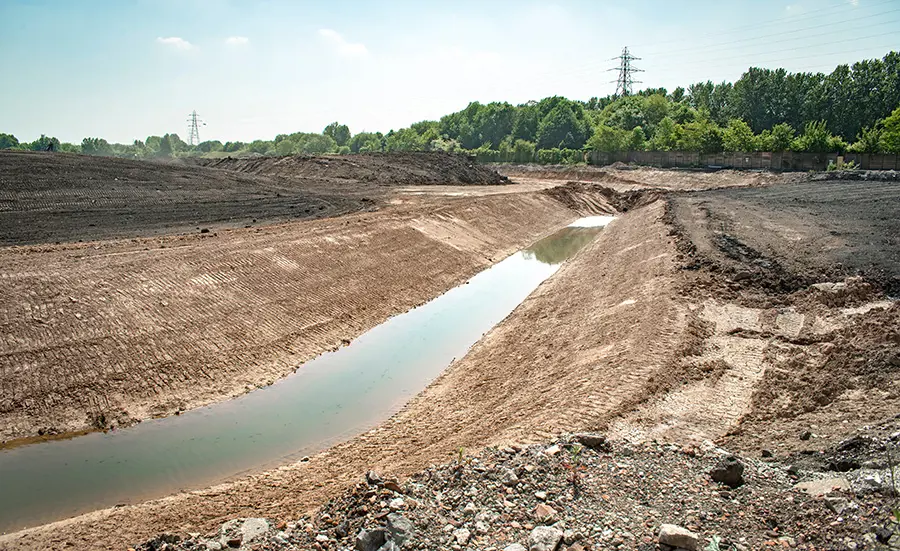
Ecotoxicological assessment of contaminated sites
A new report from the Ecotox Centre provides an overview of suitable bioassays for the assessment of contaminated sites.
Read more21. May 2025
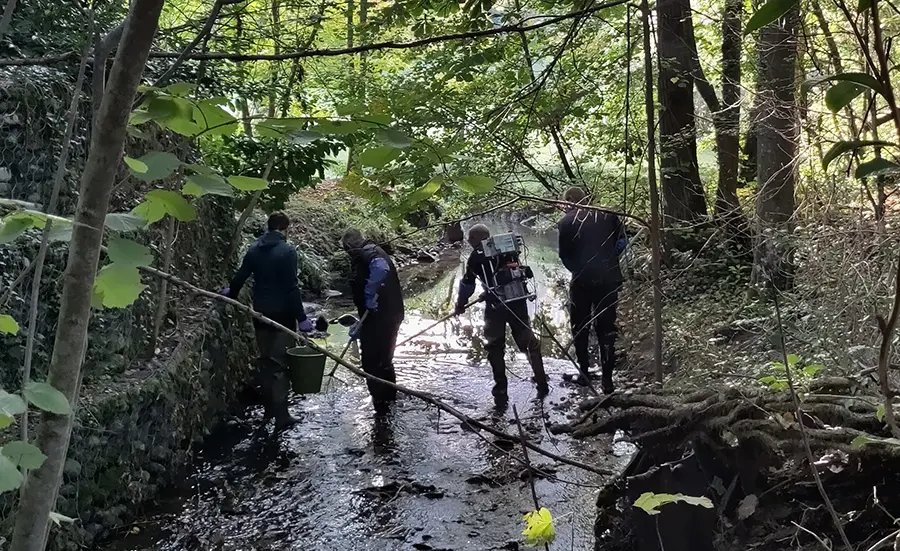
Why did the trout in the Ruisseau des Marais disappear? A search for clues using ecotoxicological methods
The number of brown trout in the Ruisseau des Marais in the canton of Geneva has fallen dramatically. The Ecotox Centre investigated the causes using a variety of ecotoxicological water and sediment tests and biomarkers.
Read more14. May 2025
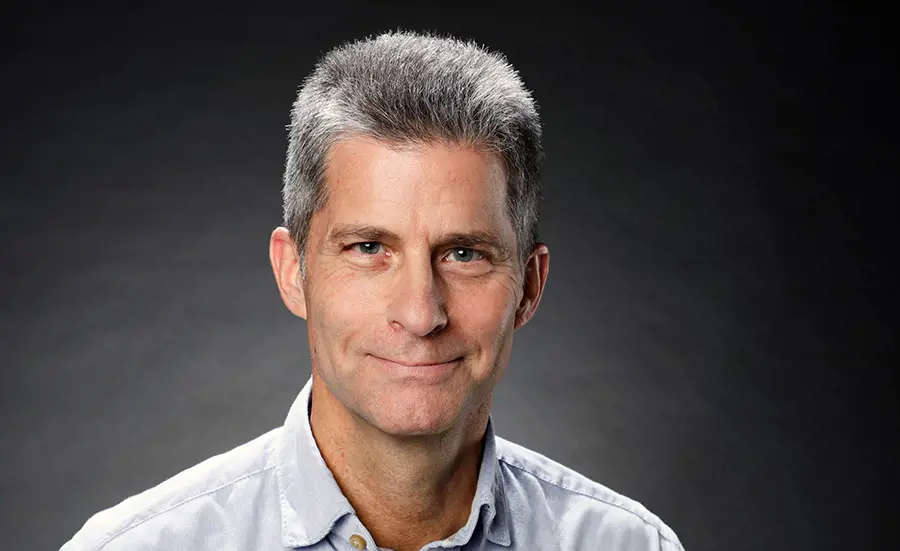
Ecotox Centre at EPFL - Interview with Christof Holliger
Christof Holliger, Professor of Environmental Biotechnology at EPFL, has been closely involved with the Ecotox Centre since it was founded in 2008, initially as part of the direction and the strategic steering committee and later as the representative of EPFL on the host institute council. He retired at the end of February 2025. Here he looks back.
Read more12. May 2025
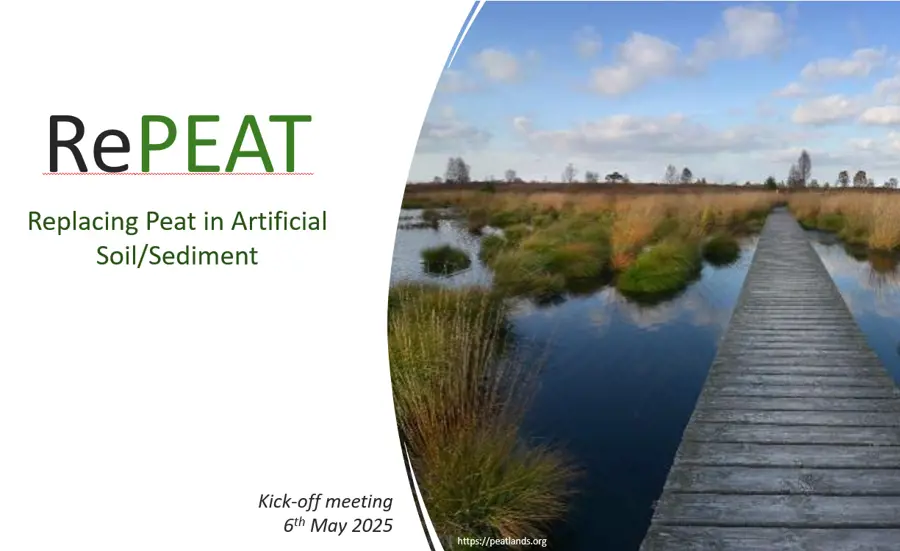
Replacement of peat in artificial soils and sediments
Last Tuesday, the Ecotox Centre hosted the kick-off meeting for the OECD project RePEAT, which seeks alternatives to peat as a source of organic matter in artificial soils and sediments.
Read more05. February 2025
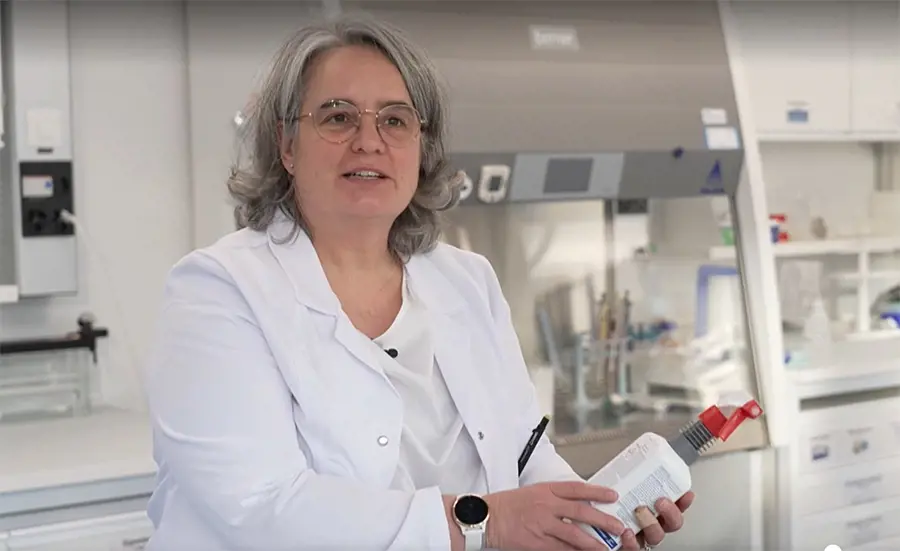
Ecotox Centre in SRF Kassensturz on oven cleaners
Marion Junghans supported SRF Kassensturz in the evaluation of oven sprays.
Read more Subscribe to our News by RSS feed