News - Risk Assessment
20. July 2018, Topic: Aquatic Ecotoxicology , Soil Ecotoxicology , Sediment Ecotoxicology , Risk Assessment
Scientists identify most pressing issues posed by chemicals in the environment
Scientists have identified 22 key research questions surrounding the risks associated with chemicals in the environment across Europe.
Read more12. June 2018, Topic: Aquatic Ecotoxicology , Soil Ecotoxicology , Sediment Ecotoxicology , Risk Assessment
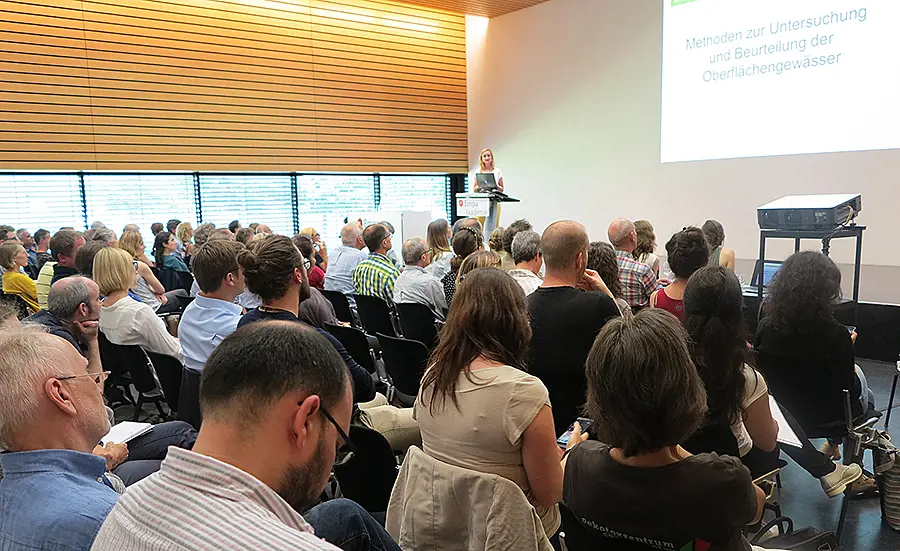
Successful symposium on bioassays
Last week, more than 90 experts from public authorities, the private sector and science accepted the Ecotox Centre’s invitation.
Read more24. May 2018, Topic: Aquatic Ecotoxicology , Risk Assessment
Different approaches to assess water quality with bioassays
For the regulatory assessment of water quality with bioassays, uniform approaches are necessary. These may only use the EQS of the reference substance or include as many EQS of a substance class as possible.
Read more18. May 2018, Topic: Aquatic Ecotoxicology , Soil Ecotoxicology , Sediment Ecotoxicology , Risk Assessment

Staff at the Ecotox Centre
We welcome two new employees, Janine Wong and Alan Bergmann. Welcome to the Ecotox Centre! And we wish Sophie Campiche every success in her new activities.
Read more29. March 2018, Topic: Aquatic Ecotoxicology , Soil Ecotoxicology , Sediment Ecotoxicology , Risk Assessment
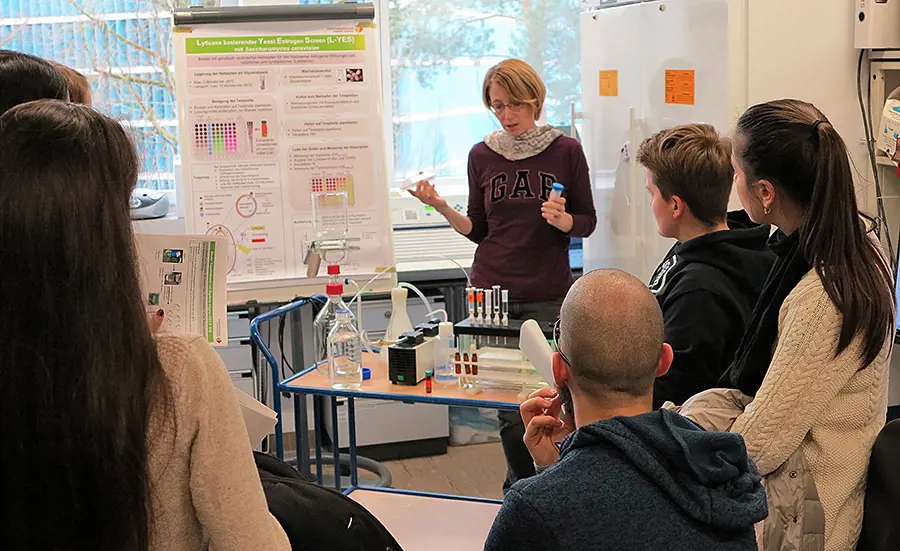
Ecotoxicology for ZHAW students
In March 2018, the Ecotox Centre has given its annual introduction to ecotoxicology to prospective biotechnologists.
Read more31. January 2018, Topic: Aquatic Ecotoxicology , Sediment Ecotoxicology , Risk Assessment
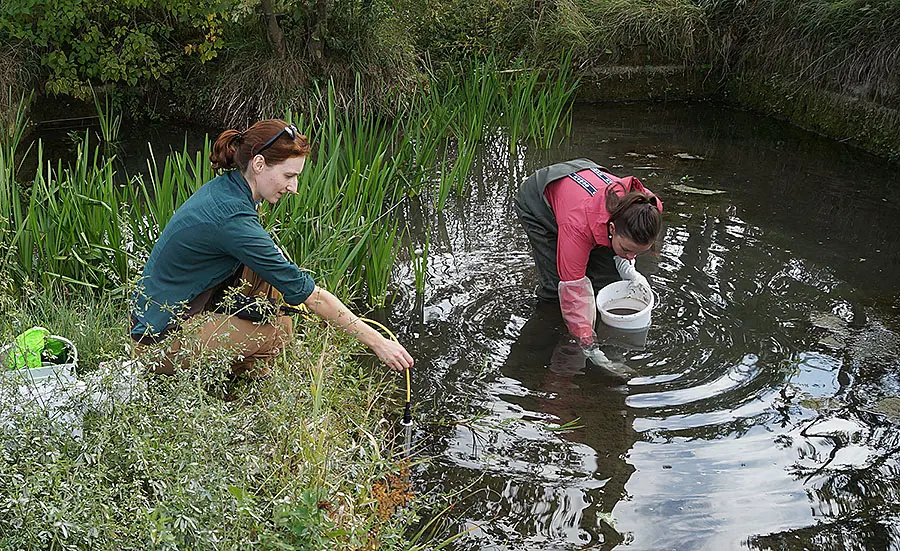
Symposium "Environmental Monitoring with Bioassays" on 5./6. June 2018
The use of bioassays to assess water quality has many advantages and the acceptance of bioassays has increased in recent years. On the occasion of its 10th anniversary, the Ecotox Centre organises a symposium on the topic.
Read more22. December 2017, Topic: Aquatic Ecotoxicology , Risk Assessment
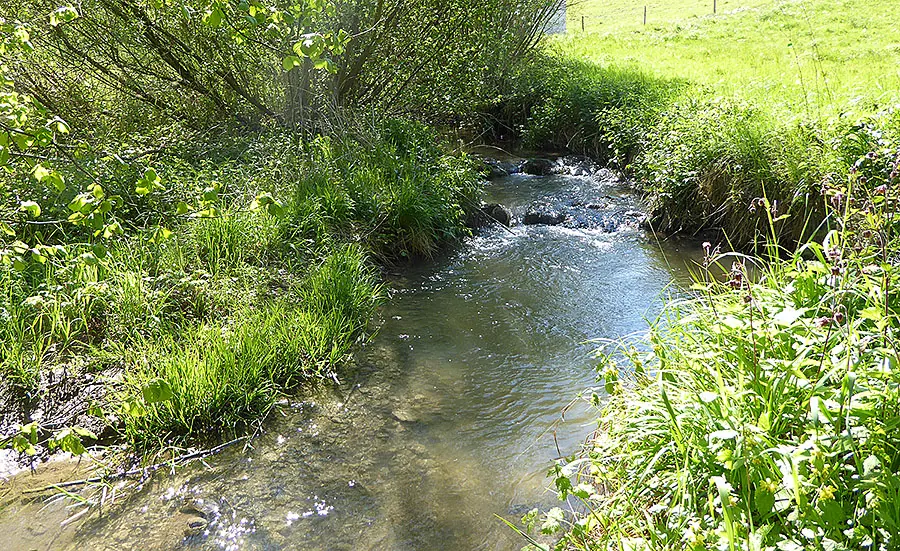
Eawag supports introduction of effect-based environmental quality criteria
At the end of November, the Federal Council has sent the new risk-based required limits for biocides, plant protection products and other micro-pollutants within the Water Protection Ordinance in consultation. A new Eawag fact sheet shows why these values are meaningful and necessary.
Read more24. November 2017, Topic: Aquatic Ecotoxicology , Risk Assessment
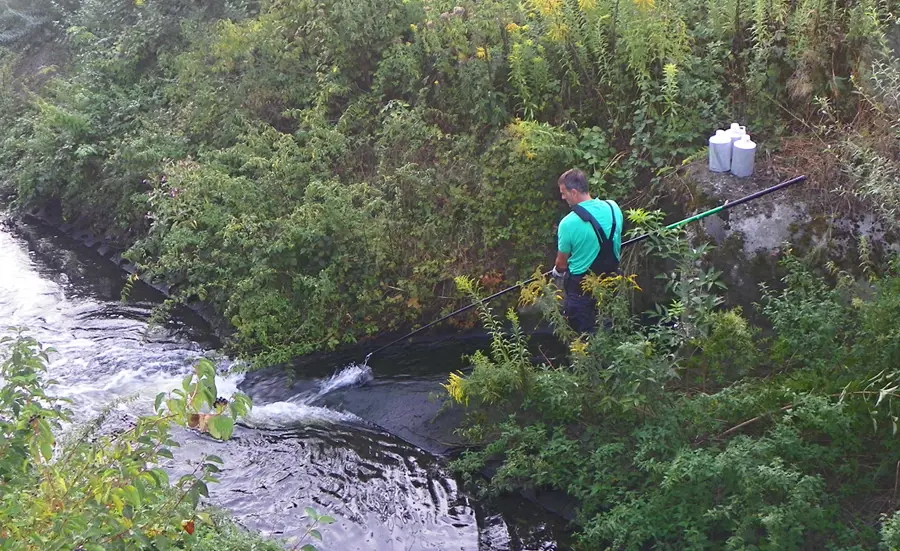
Estrogens in surface waters - Screening and risk assessment for Europe
In the framework of an international project, European water samples were analysed for estrogens using various biological and chemical methods. Bioassays based on cell cultures were shown to be well suited to detect the substances that are to be monitored across Europe.
Read more24. November 2017, Topic: Aquatic Ecotoxicology , Soil Ecotoxicology , Sediment Ecotoxicology , Risk Assessment

Info sheet on pyrethroides
Pyrethroids are among the most frequently used pesticides in the world. For this reason, the Ecotox Centre has published a new info sheet on the emissions, mechanism of action, toxicity and risk of the substances.
Read more23. November 2017, Topic: Aquatic Ecotoxicology , Risk Assessment
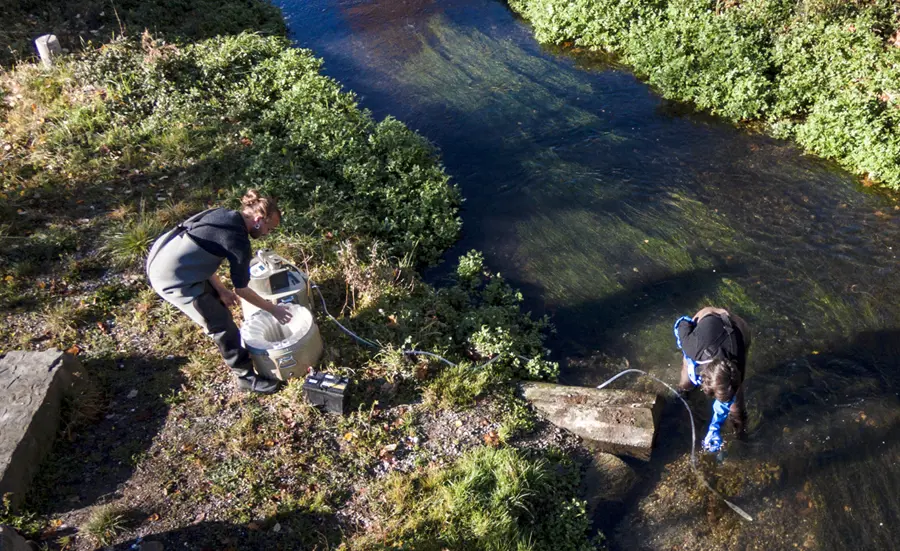
How long to collect water samples?
If the measured concentration of a substance in surface waters exceeds its quality criterion, the water quality is assessed as poor. But over which time period should the water sample be collected and the concentration be averaged?
Read more Subscribe to our News by RSS feed